![lookinggood_naturally[poster]2](../../2013/03/lookinggood_naturallyposter2_w-611-h-489.png)
Are you Team Look Good, Feel Good, Naturally? Of course you are! So, you know a large part of cleaner living is moving toward using natural products for your hair, skin, and nails. And you also know that incorporating natural products into your daily routine can make your hair, skin, and nails feel as good as your body does with cleaner eating habits!
What is Clean Living? Well, we define it as making a commitment to informed decisions about the products we use and the foods we eat. The goal is to incorporate simple, sustainable, and healthful practices into your daily routines that are natural, nutritionally safe, and toxin-free for the body and home to cultivate clean living inside and out.
The products and regimens we’re providing are inexpensive, healthy alternatives - some can even be found in your kitchen!
HAIR
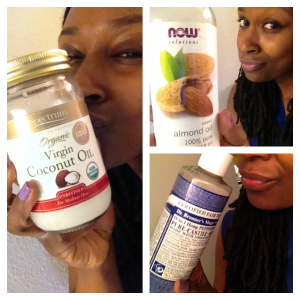 One of the most awesome things about having natural hair is versatility, and one of the most difficult parts about having natural hair is finding reliable products that work well with your hair type. For this we often turn to essential oils and conditioners made for sustaining healthy, natural hair.
Simone returned to natural twelve years ago, and started locking her hair in 2007. She usually wears her hair down or in protective hair styles, such as buns and pigtails (she is really obsessed with pigtails right now!), and she loves using coconut oil because it promotes hair growth by penetrating and moisturizing the scalp. When it comes to washing, it is an all day affair! She starts by using a combination of apple cider vinegar, lemon juice, baking soda, sea salt, and warm water to cleanse her scalp (and to promote shine). Then, she uses a few of her favorite Shea Moisture products to condition and shampoo her hair.
Aisha is three years into being natural and loves it. Depending on the day, the weather, or her school schedule, you can catch her with wash-n-go curly tresses, a protective style, or an occasional press-out. With that in mind, most of her favorite products are oils! Jojoba, argan, coconut, and peppermint - just to name a few. All of these oils work to maintain the moisture that hair needs. For wash-n-go hair (by co-washing), a leave in conditioner is essential, followed by oils to seal in the moisture. For a protective style, a good spray of oils fights hair breakage, allowing the style to actually protect the hair, not hurt it. If you are pressing your hair – which should be done sparingly, as too much heat can be damaging – oil can be used to seal the ends of your hair and maintain a healthy scalp. Remember, moisturized hair is healthy, happy hair!
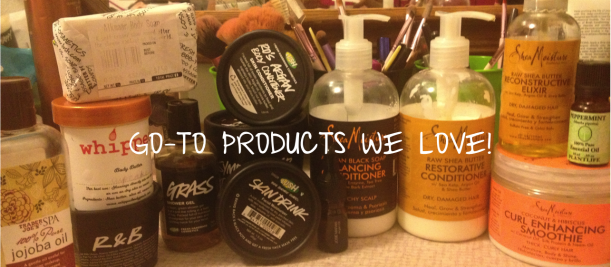
SKIN CARE
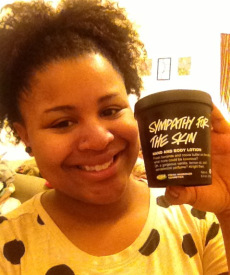 Some of Aisha’s favorite natural skin care products come from Lush, a cosmetics company that prides itself on the creation of fresh handmade products. She enjoys indulging in various handmade soaps (especially one made out of honey), soaking in oatmeal baths, and rubbing her body down with handmade lotion. Although buying handmade cosmetics comes at a price, we have to pick and choose how we’re going to treat ourselves, and this is where Aisha indulges. Plus, none of the products she buys are tested on animals!
Oh, and have you ever heard of the Oil Cleansing Method? It is amazing! Simone loves using coconut oil, avocado oil, and/or olive oil to clean her face. She follows this routine everyday, especially after workouts to keep her face firm and clear of breakouts. These oils are also great for the entire body, so get obsessed!
Feminine Hygiene - Yes, down there! We use natural products EVERYWHERE.
Simone uses natural vaginal cleansers that are gentle and moisturizing - a lot of vaginal washes come in lavender, rose, and other scents. In fact, there are also many natural foods that promote womb wellness and give you a fresher, cleaner feeling. Natural health practitioner and author, Queen Afua gives some examples in her book, Heal Thyself for Health and Longevity, of live foods that can be eaten for healthy feminine hygiene and wellness: mango, papaya, coconut water, ginger, sorrel, honeydew, celery, parsnip, cucumber, and greens such as kale, spinach, and chard. And here’s a recipe for a natural cleansing bath:
- 1tbsp. cinnamon
- 3tbsp. rosewater/3tsps. rose oil
- Natural foaming liquid
- Handful of patchouli
- 1-2 lbs. Dead Sea Salt (for deep relaxation)
- Soak 20 - 30 minutes
And who loves a nice Brazilian wax? We do! Hey Fran Hey has an awesome recipe for a raw and organic hair remover that we cannot wait to try! You can also use this sugar wax on other parts of your body.
NAILS
Natural care for nails? Oh, but of course. Simone recently said goodbye to acrylic nails and hello to coconut oil to promote nail growth. Acrylic nails may look good, but they are very damaging and can often leave your nail bed weak and unattractive after removing them. For Simone, coconut oil has been the best solution for nail health and growth. The nutrients in the oil help to strengthen your cuticles and the nail bed, too. Massage coconut oil into your hands and nails two to three times a week, and before you know it, you will have long, strong claws! Okay, maybe you don’t want claws, but the strength is to die for.
We realize that all of this may be super overwhelming, so we’ve compiled a list of our favorite resources and products that we hope you’ll incorporate in your daily routine. Most of the products we use are raw and organic for an extra clean look and feel!
- Jojoba Oil
- Coconut Oil
- Argan Oil
- Peppermint Oil
- Avocado oil
- Olive oil
- Shea Moisture Products
- Kinky Curly Knot-Today Leave-In
- Witch Hazel (for cuts)
- Encyclopedia of Natural Medicine
- Encyclopedia of Healing Foods
Remember that becoming au naturel is a process. Your health and sanity are important, so be patient with yourself when it comes to learning about clean products. Looking and feeling good from the inside out and the outside in are a commitment, so take the time to get your research on. Invest in yourself. Go ‘head—get to know the skin you’re in!
Tip: Before buying ALL of these products, pair up with a friend so you can find what works best for you without wasting money.
Happy cleaning!
 Simone Savannah is an English instructor and contributing writer for the Project on the History of Black Writing at the University of Kansas. She is currently pursuing a PhD in English-Creative Writing and Women, Gender, & Sexuality Studies. Her poetry is based on personal experiences she can’t let go—imagined or otherwise. Simone also enjoys making green smoothies, attending Bikram Yoga classes, and laughing uncontrollably.
![AISHA_BLOG[PHOTO]](../../2013/02/aisha_blogphoto_w-152-h-152.jpg) Aisha Upton is a first year PhD student at the University of Pittsburgh, studying Sociology and Women’s Studies. Her research interests: Black women in service organizations and violence against Black women. She is passionate about many things including community service, lipstick, baking, thrifting, knitting, and being a proud owner of a Cockapoo, Napoleon. At the intersection of being a diligent student, a fashionista, and an activist – you will find Aisha, attempting to find a balance.
Aisha Upton is a first year PhD student at the University of Pittsburgh, studying Sociology and Women’s Studies. Her research interests: Black women in service organizations and violence against Black women. She is passionate about many things including community service, lipstick, baking, thrifting, knitting, and being a proud owner of a Cockapoo, Napoleon. At the intersection of being a diligent student, a fashionista, and an activist – you will find Aisha, attempting to find a balance.
Be sure to continue following Aisha + Simone’s unique take on Life + Style and the importance of letting who you are shine through when it comes to self-care, and defining your personal style.

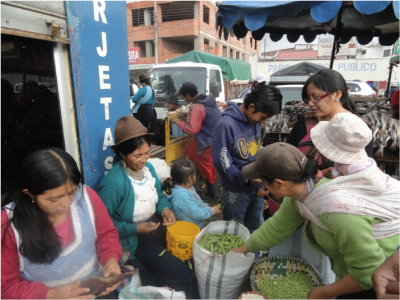
![erika_writer[shhine]](../../2013/01/erika_writershhine1-e1363661707127_w-611.png) Erika Turpin is an English as a Foreign Language Teacher, who lives in Cuenca, Ecuador. To express her passion for sharing her traveling and cultural experiences, she shares a verse from her spiritual practice, “Jehovah himself gives the saying; the women telling the good news are a large army.”(Psalm 68:11) Furthermore, “why should women travel the world? Learning about women of all different cultures all around the world helps us to become connected and understand ourselves better. Many women around the world don’t understand their true worth, we must help and love each other.”
Erika Turpin is an English as a Foreign Language Teacher, who lives in Cuenca, Ecuador. To express her passion for sharing her traveling and cultural experiences, she shares a verse from her spiritual practice, “Jehovah himself gives the saying; the women telling the good news are a large army.”(Psalm 68:11) Furthermore, “why should women travel the world? Learning about women of all different cultures all around the world helps us to become connected and understand ourselves better. Many women around the world don’t understand their true worth, we must help and love each other.”
![quilts_collage_[rev]](../../2013/03/quilts_collage_rev1_w-611-h-411.png)
![TC[photo_CW2]](../../2013/03/tcphoto_cw2_w-154-h-160.png) Traci Currie is a Communication Studies lecturer at University of Michigan-Flint, as well as a
Traci Currie is a Communication Studies lecturer at University of Michigan-Flint, as well as a  “I love myself first by doing what makes me happy,” Teneele says. Making time to do things that bring her joy and meaning helps this aspiring yoga instructor identify what makes her unique. She journals, writes poetry, and reads books about history, culture, and health - and if that’s not enough for enjoyment, Teneele also listens to diverse genres of music. “When I’m in my zone, I get lost in the beats, rhythms, and lyrics. Music really is a universal language, and it allows me to feel connected to everyone and everything.”
